

Buying a home is one of the biggest financial decisions you’ll ever make, and a professional home inspection helps ensure you’re making that investment with confidence. Whether you’re purchasing your first house, preparing to sell your current property, or simply maintaining your home, an inspection provides valuable insights into the condition of the property’s major systems and components.
A certified home inspector evaluates accessible areas of the home to identify safety concerns, structural issues, maintenance needs, and potential repair costs. While no home is perfect, knowing what to expect before closing can help you avoid surprises and make informed decisions.
If you’re wondering what a home inspection includes, this guide explains everything you need to know.
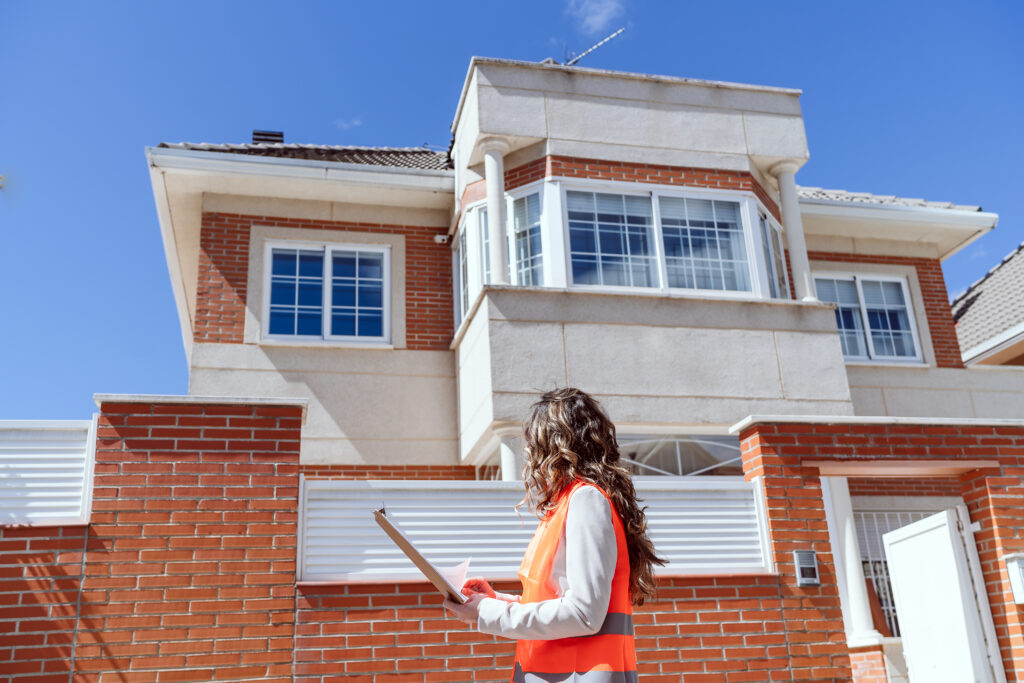
What Is a Home Inspection?
A home inspection is a professional visual assessment of a property’s accessible systems and structural components. The goal is to identify existing defects, maintenance concerns, and safety issues that may affect the home’s value or performance.
Unlike an appraisal, which estimates a property’s market value, a home inspection focuses on the overall condition of the house. Buyers, sellers, homeowners, and real estate investors all benefit from having a detailed inspection performed before making important property decisions.
Why Is a Home Inspection Important?
Many problems aren’t visible during a regular walkthrough. Hidden roof leaks, electrical issues, plumbing defects, or foundation movement can become expensive repairs after closing.
A professional home inspection helps you:
- Understand the property’s current condition.
- Identify potential safety hazards.
- Estimate future maintenance costs.
- Negotiate repairs before closing.
- Plan home improvements with confidence.
- Reduce the risk of unexpected expenses.
For Arizona homeowners, inspections are especially valuable because the region’s extreme temperatures, seasonal monsoon storms, and dry soil conditions can affect a home’s structure and major systems over time.
Complete Home Inspection Checklist
A professional inspection covers the home’s most important components to provide a complete overview of its condition.
Roof Inspection
The roof is your home’s first line of defense against the weather. An inspector evaluates visible roofing materials, flashing, gutters, drainage, and signs of damage or leaks.
Common issues include:
- Missing or damaged shingles
- Roof leaks
- Improper drainage
- Worn flashing
- Storm-related damage
Foundation & Structural Inspection
Foundation problems can lead to costly repairs if ignored. During the inspection, visible structural components are evaluated for signs of settlement, movement, or deterioration.
Inspectors look for:
- Foundation cracks
- Uneven floors
- Wall movement
- Ceiling cracks
- Structural shifting
Plumbing Inspection
The plumbing system is checked for visible leaks, damaged fixtures, and operational concerns.
This includes:
- Faucets
- Toilets
- Sinks
- Water pressure
- Drainage
- Visible piping
- Water heater
Early detection of plumbing issues helps prevent water damage and expensive repairs.
Electrical Inspection
Electrical systems are evaluated to identify safety concerns and ensure major components appear to be functioning properly.
The inspection typically includes:
- Electrical panels
- Breakers
- Visible wiring
- GFCI outlets
- Light switches
- Electrical receptacles
Faulty electrical systems can present serious safety hazards if left unaddressed.
HVAC Inspection
Heating and cooling systems play a major role in home comfort, especially during Arizona’s hot summers.
Inspectors examine:
- Air conditioning operation
- Heating equipment
- Airflow
- Thermostats
- Visible ductwork
- Ventilation
Proper HVAC performance also contributes to improved energy efficiency.
Windows & Doors
Windows and doors are inspected to ensure they open, close, and lock properly while checking for visible damage or air leakage.
Common concerns include:
- Broken seals
- Drafts
- Damaged frames
- Improper operation
Bathrooms & Kitchens
Bathrooms and kitchens receive careful attention because they’re common areas for plumbing leaks and moisture problems.
Inspectors evaluate:
- Sinks
- Faucets
- Cabinets
- Toilets
- Bathtubs
- Showers
- Countertops
- Visible plumbing connections
Attic & Insulation
The attic provides important information about a home’s overall condition.
Inspectors look for:
- Insulation levels
- Roof leaks
- Ventilation
- Moisture
- Structural framing
- Pest activity
Exterior Components
Exterior inspections include visible areas surrounding the home.
This may include:
- Siding
- Stucco
- Driveways
- Walkways
- Patios
- Decks
- Drainage
- Grading
Proper drainage helps reduce the risk of foundation and moisture problems.

Common Problems Found During Home Inspections
Every home is different, but inspectors frequently identify issues that homeowners may not notice.
Some of the most common findings include:
- Roof damage
- Plumbing leaks
- Electrical deficiencies
- HVAC maintenance concerns
- Foundation settlement
- Moisture intrusion
- Poor attic ventilation
- Damaged caulking around windows and doors
- Drainage issues
- Deferred maintenance
Identifying these concerns early allows buyers and homeowners to address them before they become more expensive.
Arizona-Specific Issues Homeowners Should Know
Homes in Arizona face unique environmental conditions that can affect their long-term performance.
When inspecting homes in Gilbert and surrounding communities, inspectors often pay close attention to:
- Heat-related roof wear
- Foundation movement caused by soil expansion and contraction
- HVAC system performance
- Sun damage to exterior materials
- Monsoon-related moisture intrusion
- Signs of termite activity
- Proper attic ventilation for extreme temperatures
Understanding these regional conditions helps homeowners better protect their investment.
Why Hire a Professional Home Inspector?
While a walkthrough can reveal obvious defects, trained inspectors know how to recognize subtle warning signs that may indicate larger issues.
A professional home inspector provides:
- Unbiased property evaluations
- Detailed digital reports
- Clear explanations of findings
- Photos documenting concerns
- Recommendations for further evaluation when needed
Having accurate information before buying or selling a property allows you to move forward with greater confidence.
Final Thoughts
A professional home inspection is one of the smartest investments you can make before purchasing, selling, or maintaining a property. It provides valuable information about the condition of the home’s major systems, helping you identify potential problems before they become costly repairs.
Whether you’re buying your first home or adding another property to your investment portfolio, working with an experienced home inspector can help you make informed decisions and protect your investment for years to come.
If you’re looking for reliable home inspection services in Gilbert, AZ, our experienced team is here to provide detailed inspections and easy-to-understand reports you can trust.
Frequently Asked Questions
What is included in a home inspection?
A home inspection typically includes the roof, foundation, plumbing, electrical system, HVAC, attic, insulation, windows, doors, bathrooms, kitchens, and other accessible structural components.
How long does a home inspection take?
Most residential home inspections take between 2 and 4 hours, depending on the size and condition of the property.
Should buyers attend the home inspection?
Yes. Attending the inspection allows buyers to ask questions, understand the home’s condition, and learn about maintenance recommendations directly from the inspector.
Does a home inspection include termite inspections?
Not always. Termite inspections are often offered as a separate service or can be added depending on the inspection package.
Is a home inspection worth it?
Absolutely. A professional home inspection can identify hidden issues, improve negotiating power, and help buyers avoid unexpected repair costs after purchasing a home.