Detailed HVAC system inspection is one of the most crucial steps homeowners forget to include when buying, selling, or maintaining a property. At Clark Booth Property Inspector, we often assist property owners in finding hidden heating and cooling problems before they become expensive repairs.
An HVAC system that runs well makes a difference in indoor comfort, air quality, energy efficiency, and even property value. But with the ever-increasing utility costs and commercial and residential buildings expected to reach greater efficiency thresholds, professional HVAC inspections have never been more urgent in 2026.
It can seem as if heating and cooling systems are functioning correctly, with the air conditioner coming on or a furnace producing heat, so many homeowners assume everything is just fine.
More serious issues, such as airflow obstructions, aging parts, electrical problems, refrigerant leaks, or ductwork damage, may remain undetected for months. A professional inspection aids in finding these problems early while offering comfort for property owners.
The Importance of Performing HVAC Inspections on Homes and Commercial Buildings
Not even the Holidays Beautiful heating and cooling techniques work hard all year round, especially in climate regions with severe seasonal temperature ranges. With time, performance, energy consumption, and virtually the lifetime of a system are influenced by wear and tear. HVAC systems are inspected so it can be ascertained that these are functioning well in a safe and effective manner.
In particular, professional inspections are also important during:
- Home purchase or sale transactions
- Annual property maintenance
- Commercial property evaluations
- Energy efficiency upgrades
- Insurance or warranty documentation
For buyers, inspections serve to help avoid any surprise repair costs after closing. Regular inspections for homeowners help identify issues before systems fail, especially when the weather is at its most extreme.
The types of things our inspectors will look at are safety issues, performance issues that could lead to future liabilities, and signs of past or even ongoing damage that would directly reduce the value of your investment in real estate.
What You Get from an HVAC System Inspection
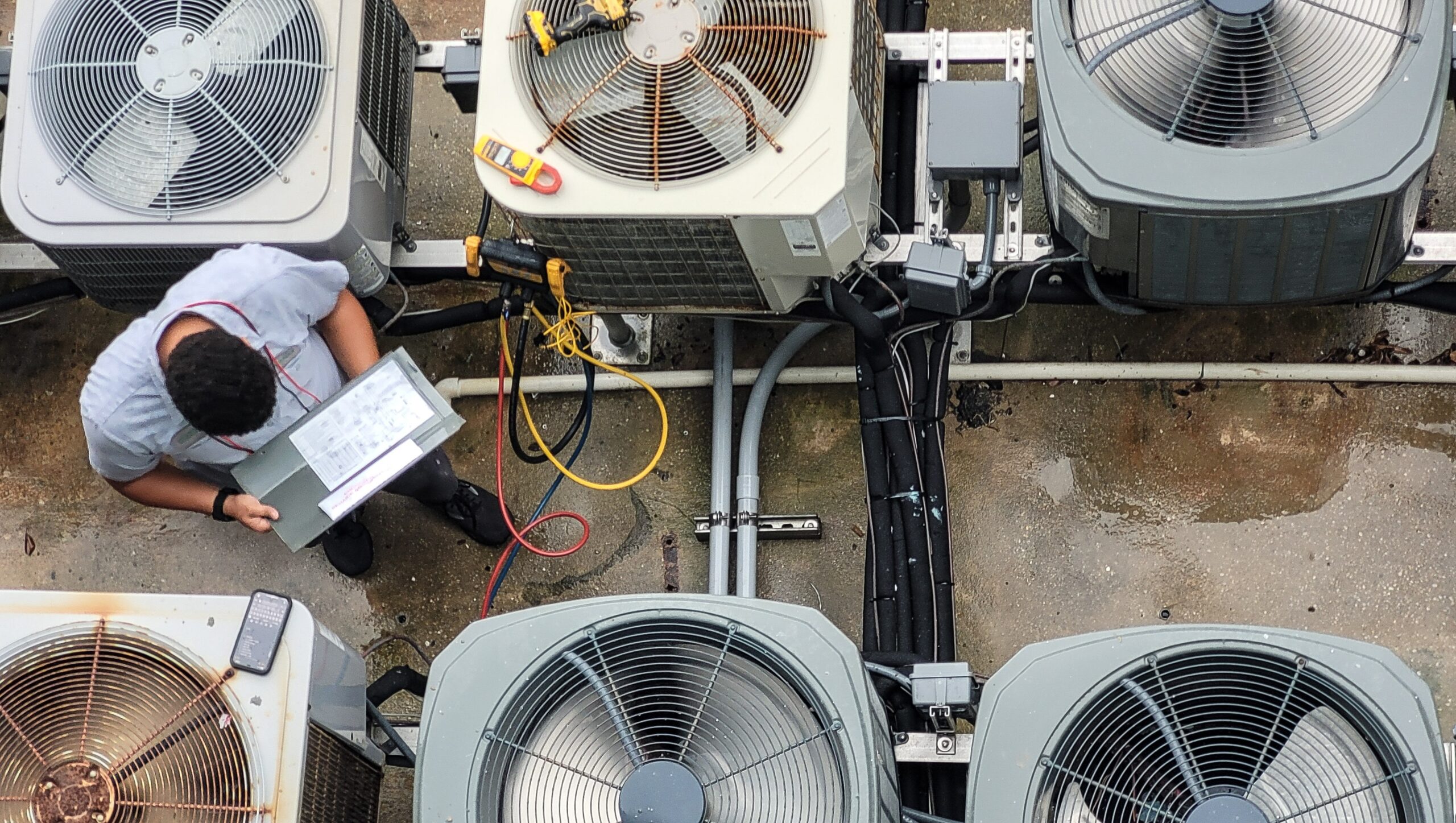
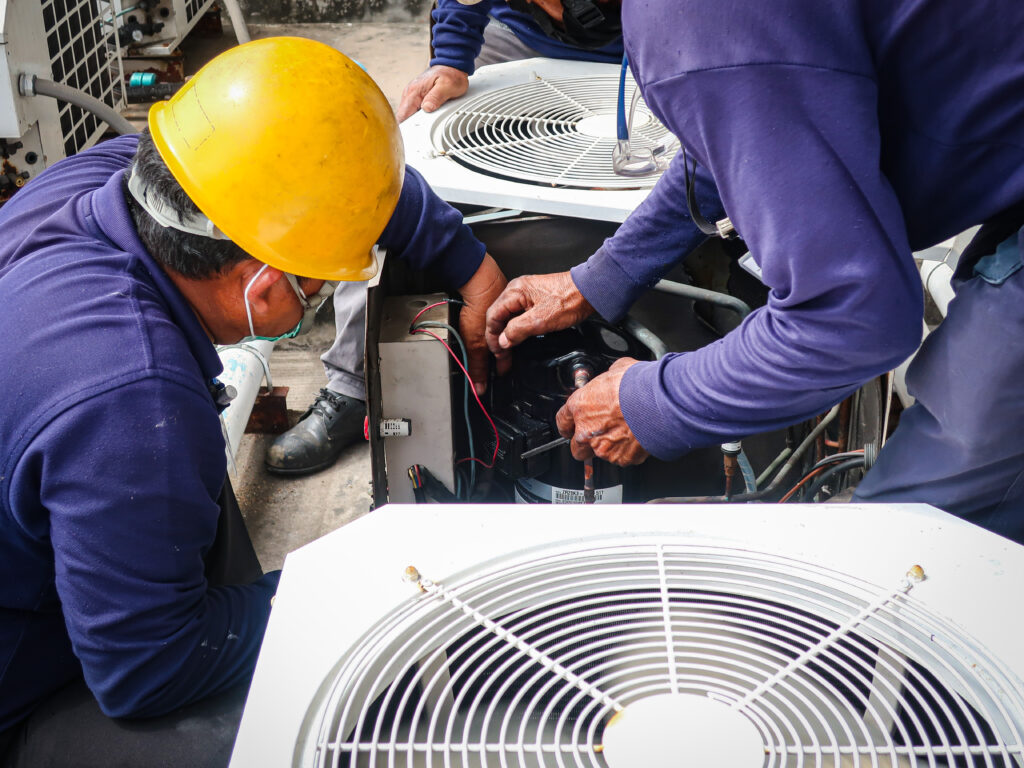
The HVAC system inspection carried out by an expert is more than just checking if the thermostat works. Depending on the inspection, inspectors will assess the condition, age, and function of various system components.
An HVAC system inspection checklist might look like this:
- Thermostat operation testing
- Airflow and ventilation evaluation
- Air filter condition inspection
- Refrigerant line inspection
- Electrical connection testing
- Condenser and evaporator coil examination
- Furnace and heat exchanger inspection
- Inspection of the drain line and condensation system
- Ductwork condition assessment
- System startup and shutdown testing
Typical HVAC Issues Discovered During Inspections
A lot of heating and cooling problems happen consecutively. Homeowners may not see a decrease in efficiency until utility bills rise or their comfort deteriorates.
Some of the more common signs of potential HVAC system problems include rooms with different temperatures, weak airflow or strange odors, loud noises, and systems that cycle on and off again far too quickly. It also reveals what other things people fail to do often dirty coils, clogged filters, hard-to-find refrigerant leaks/empty and worn electrical parts.
Other common issues include:
- Poor duct sealing
- Frozen evaporator coils
- Damaged blower motors
- Faulty thermostats
- Dirty condenser units
- Drainage clogs and moisture buildup
At first glance, these problems may appear insignificant, but if they are allowed to linger it can lead to higher repair costs.
What Does an HVAC Inspection Cost?
The cost to inspect an HVAC system is one of the most common questions homeowners ask. Pricing in 2026 varies by property size, system complexity, and inspection depth.
Home inspections for residences typically cost around $150-$500. Note that larger commercial systems may cost more due to increased testing and evaluation time.
Many homeowners tend to shy away from paying for inspections; however, a heads-up about issues in advance can save thousands of dollars down the road when you have perhaps an unexpected repair or replacement expense. An HVAC system that is neglected will quite often start losing efficiency long before it actually and completely fails.
Advantages of Routine HVAC Inspections
While it can be known that regular underwriting has simple benefits, more than the first condition, They assist in extending the lifespan of systems while also improving overall comfort and safety indoors.
Key benefits include:
- Improved energy efficiency
- Lower monthly utility costs
- Better indoor air quality
- Reduced risk of major breakdowns
- Longer HVAC equipment lifespan
- Early detection of safety hazards
This is why air conditioning and heating systems run most of the time during some months of the year in warm states, similar to Arizona. Systems that undergo routine inspections perform at a higher level, especially during peak seasons.
Property owners looking for “HVAC inspection near me” should know that working with professionals who have experience in both residential and commercial systems makes sense.
FAQs
How often should the HVAC system be tested?
Most professionals suggest booking an HVAC check-up at least annually and preferably before the summer or winter season starts.
Will an HVAC inspection reduce energy bills?
Yes. Dirty components, airflow restrictions, or efficiency problems can all lead to lower system performance and using more energy than needed.
What if you ignore HVAC problems?
Ignoring these issues can result in increased utility bills, less-than-optimal living conditions, costly repairs, and even the premature death of the equipment.
Does a standard home inspection include HVAC inspection?
Some basic HVAC checks are often included, but a thorough inspection of the whole system may need to be performed separately, depending on the condition of your system.
What is the time taken for a professional HVAC inspection?
A residential inspection usually takes about 1–2 hours, while larger commercial ones need longer.